
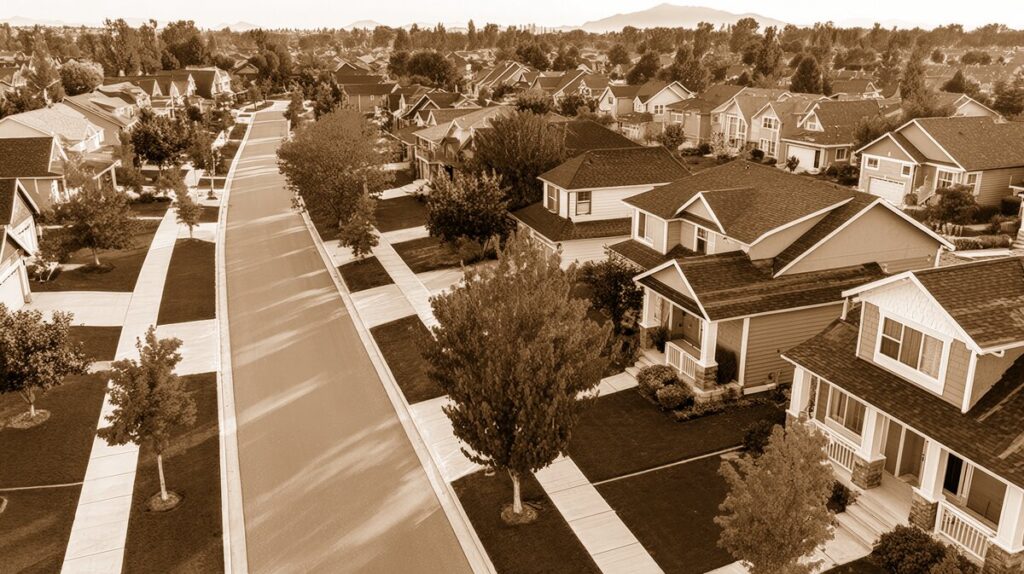
Introduction: Where Knoxville’s Elegance and Heritage Meet
Nestled in the western heart of Knoxville, Westmoreland Estates has long held a reputation as one of the city’s most distinguished neighborhoods. With its stately homes, tree-lined boulevards, and a history that echoes with stories of Knoxville’s growth, Westmoreland Estates is more than just a neighborhood—it’s a testament to the spirit of community, architectural elegance, and East Tennessee tradition. For those who call it home, and for those who love Knoxville’s rich tapestry, Westmoreland Estates stands apart as a place where past and present blend beautifully.
The Origins: From Farmland to Fine Homes
The land that would become Westmoreland Estates was once rolling hills and fertile farmland on the western fringe of early Knoxville. By the late 1920s, as Knoxville’s population grew and affluence increased, developers set their sights on creating a community that would attract professionals and visionaries seeking a place of distinction. In 1923, the Westmoreland Development Company laid the groundwork for what would become one of the first planned suburban neighborhoods in the region.
The name “Westmoreland” was likely chosen for its dignified British roots—echoing Westmorland in northwestern England—aligning with the neighborhood’s subtle nod to European elegance. The “Estates” part was apt, as the large lots and winding streets gave the area an estate-like feel quite different from the more compact urban neighborhoods closer to downtown.
Architectural Grandeur: A Neighborhood of Distinction
From the outset, Westmoreland Estates was envisioned as a showplace for Knoxville’s most gracious homes. The earliest houses along Westland Drive, S. Northshore Drive, and Buckingham Drive showcased a variety of architectural styles:
- Georgian Revival homes, with their red brick facades and stately columns.
- Tudor Revival residences, featuring steeply pitched roofs and decorative half-timbering.
- Colonial and Classical Revivals, echoing the grandeur of America’s founding era.
- More recent styles include elegant ranch homes and tasteful contemporary builds, ensuring the neighborhood’s continued evolution.
Walking along the quiet curves of Deane Hill Drive or the shady lanes of Blenheim Drive, residents and visitors are treated to an ever-changing gallery of architectural beauty.
Notable Landmarks and Community Institutions
No discussion of Westmoreland Estates would be complete without mention of the historic Westmoreland Water Wheel. Erected in 1935, this picturesque mill wheel sits on a small pond near Sherwood Drive and has become an unofficial symbol of the neighborhood. Originally built as part of a community recreational area, the water wheel remains a beloved landmark—even inspiring the Westmoreland Estates’ neighborhood association’s logo.
Other notable sites and features include:
- Westmoreland Park: A hidden gem, offering green spaces for picnics and gatherings amid stately old trees.
- The Westmoreland clubhouse: Dating back to the early years of the neighborhood, its stone fireplace and gracious rooms have hosted countless events, from holiday parties to civic meetings.
- Streetscapes: Grand canopy trees line streets like Southgate and Hastings Roads, with vistas of the Smokies in the distance.
- Notable residences: Several homes along Westland Drive and Northshore Drive have been featured in local magazines for their historic value and architectural merit.
A Neighborhood of Milestones
Westmoreland Estates has marked many milestones over its near-century of existence:
- 1930s: The neighborhood attracts educators, business leaders, and physicians. Many of Knoxville’s movers and shakers built here—for proximity to growing West Knoxville but also for peace and privacy.
- 1950s–60s: Westmoreland becomes a center for social life. The clubhouse is buzzing with garden club meetings, dances, and charitable fundraisers.
- 1970s–80s: As Knoxville expands, Westmoreland Estates holds fast to its identity amid suburban growth, with residents organizing to preserve green spaces and architectural character.
- 2000s–present: The neighborhood remains vibrant and in-demand, balancing tradition with thoughtful updates and renovations. The sense of community continues—residents rally for local causes, host seasonal celebrations, and actively engage with city affairs.
Streets with Character: The Heart of Westmoreland
Travelers through Westmoreland Estates quickly appreciate its network of gracefully curving streets—far from the rigid grids found elsewhere. Key thoroughfares and areas include:
- Westland Drive: The main boulevard, dotted with period lampposts and grand entrances.
- Northshore Drive: Bordering the neighborhood, connecting to key shopping and dining destinations in Bearden and Rocky Hill.
- Buckingham Drive: Known for its classic homes and manicured lawns.
- Sherwood and Blenheim Drives: Serene, with some of the most picturesque stretches in all of West Knoxville.
Evolution Over the Decades: Tradition Meets Modern Living
Westmoreland Estates has stayed remarkably true to its original vision of stately homes, community spirit, and careful planning. Yet, like all great neighborhoods, it has evolved:
- Many of the original homes have been lovingly restored, with sensitive updates that preserve their architectural significance while adding modern conveniences.
- There’s a renewed emphasis on walkability and sustainability, with residents leading beautification projects and tree-planting efforts.
- The neighborhood’s active civic association ensures that planning, zoning, and development protect Westmoreland’s unique character.
- Intergenerational connections thrive—neighbors old and new gather for Halloween parades, outdoor movie nights, and book clubs.
Conclusion: The Enduring Spirit of Westmoreland Estates
Westmoreland Estates is more than just a collection of beautiful homes—it’s a living piece of Knoxville history and a community that values heritage, neighbors, and the promise of the future. Whether you stroll beneath its century-old oaks, stop to chat on a front porch, or marvel at the reflections of the Westmoreland Water Wheel, the timeless charm of this neighborhood is always front and center. For longtime residents and newcomers alike, Westmoreland Estates embodies Knoxville at its most gracious, welcoming, and enduring.